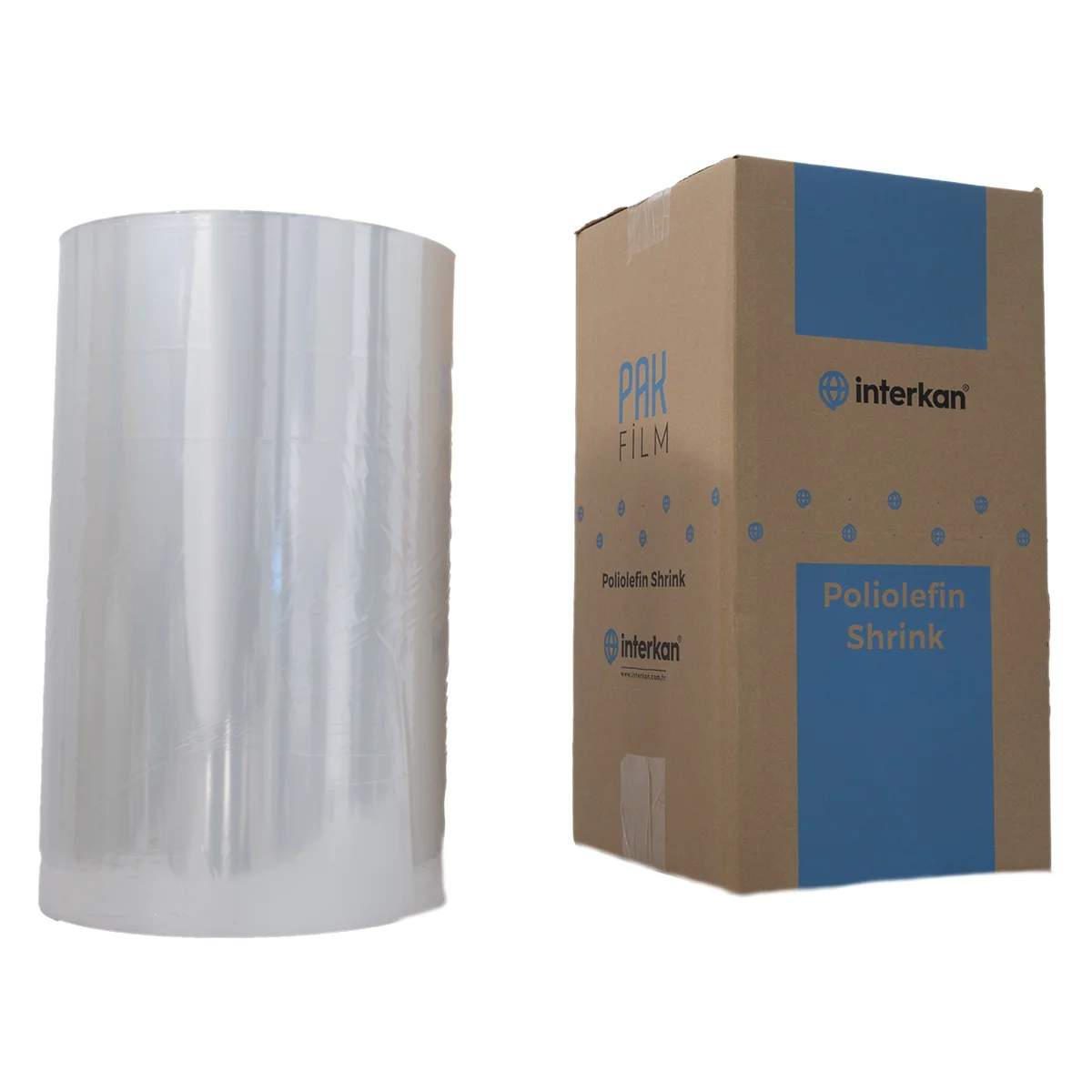


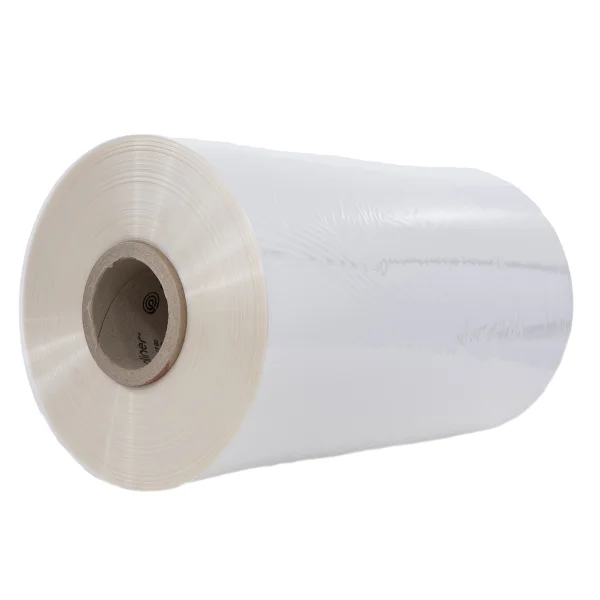
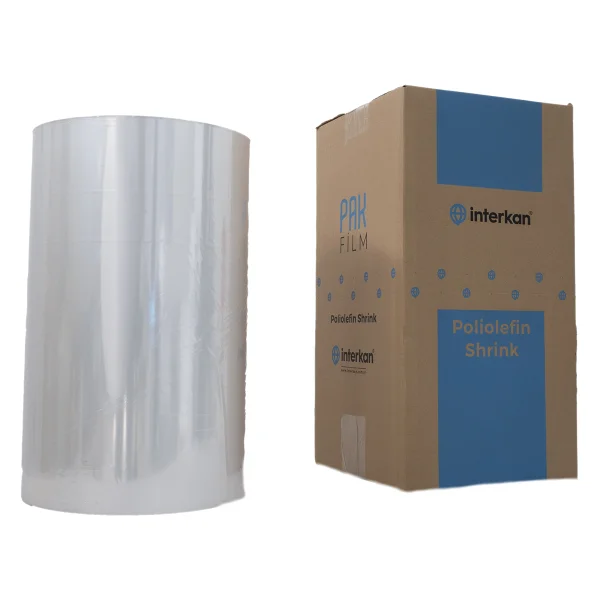


Polyolefin (POF) Shrink Films
Available in thicknesses of 12, 15, 17, 19 and 25 microns (µm).
Product Range
Centerfold (CF) Shrink Films
Single-Wound (SW) Shrink Films
Cross-Linked Polyolefin (POF) Shrink Films
Fully Perforated (HP) Shrink Films
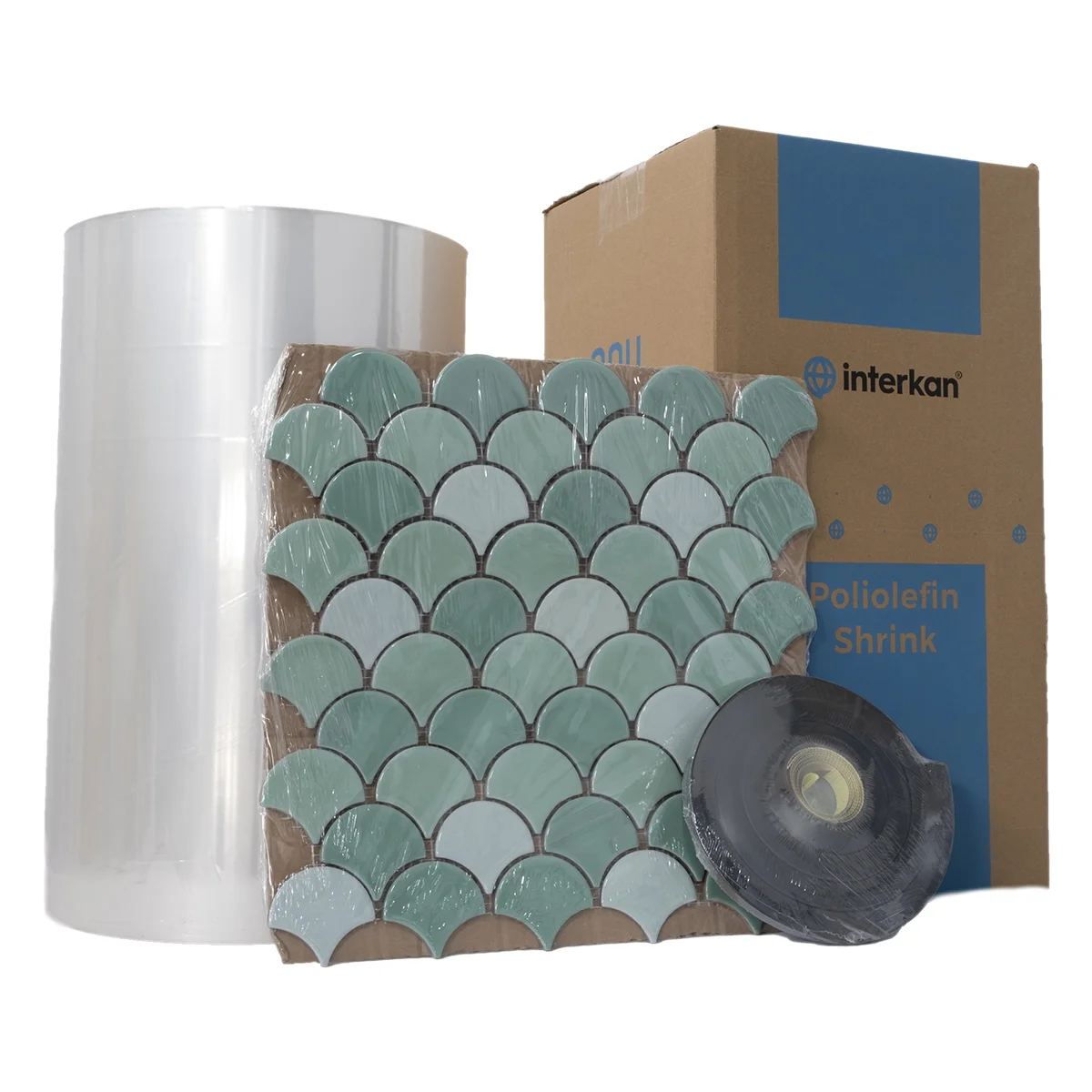
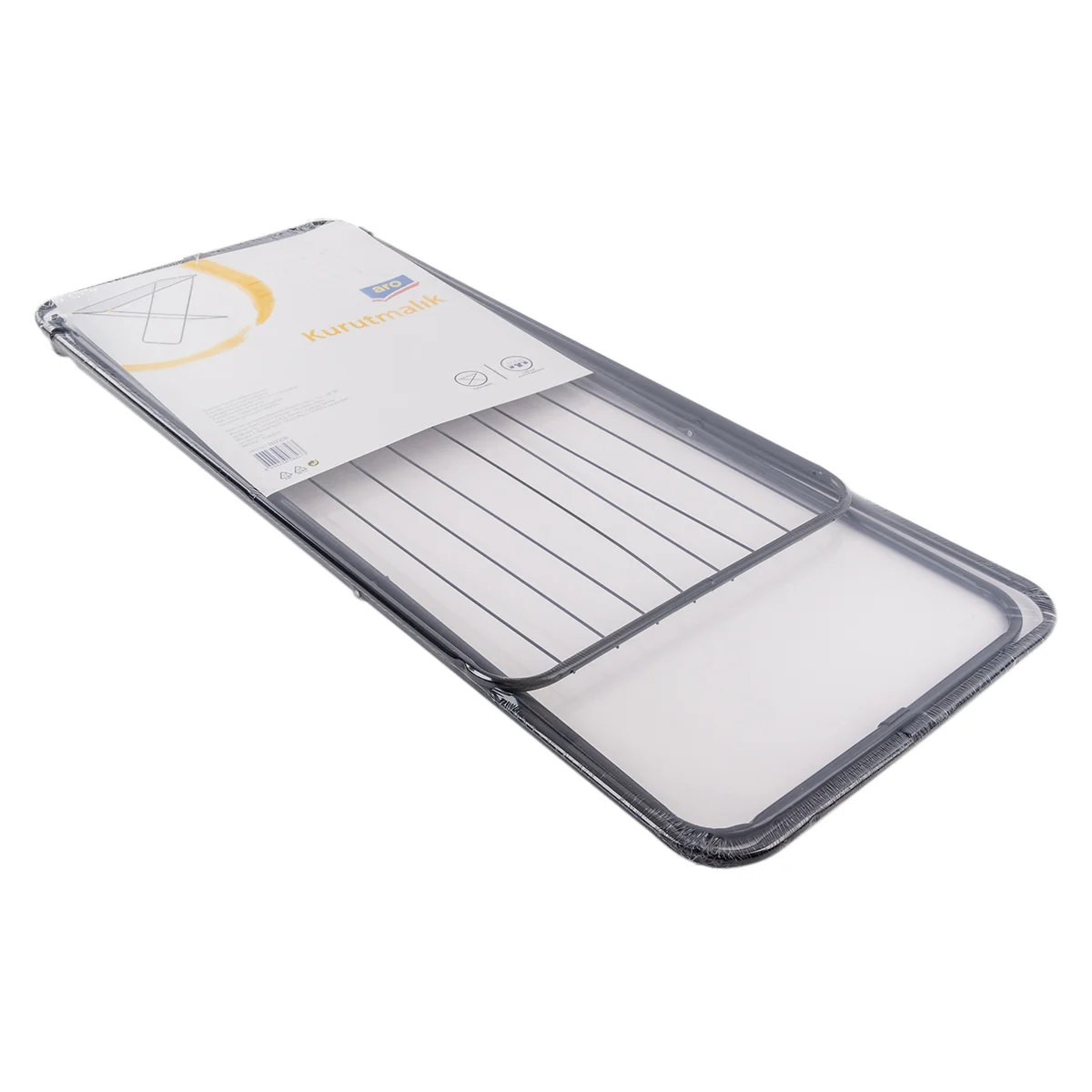
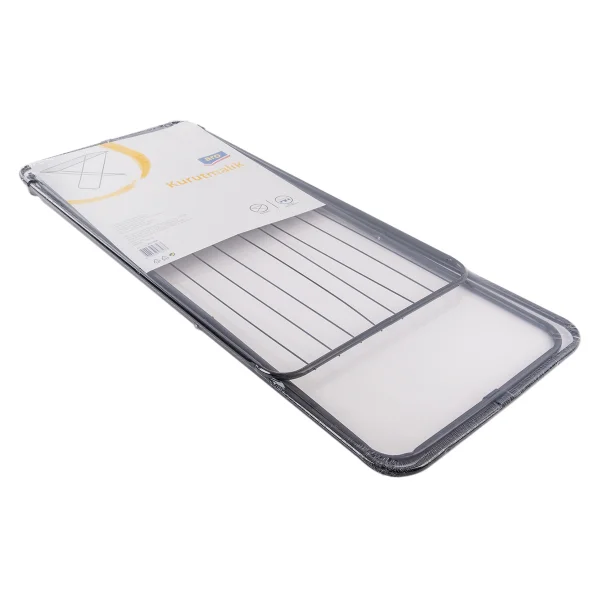
Retail & Consumer Goods: Cosmetics, personal care products, stationery, books and magazines, toys, home textiles, and small electronic devices.
Industrial Products: Medical and pharmaceutical cartons, as well as packaging applications requiring protection against external tampering throughout the product's shelf life.
Why Choose Poliner POF?
Fast Delivery and Flexible Order Quantities
Superior Optical Gloss and Transparency
High Tear and Puncture Resistance
Suitability for Food Contact
Low Density and Cost Efficiency
Environmentally Friendly and Recyclable
Wide Compatibility with Packaging Machinery
High Air and Moisture Permeability
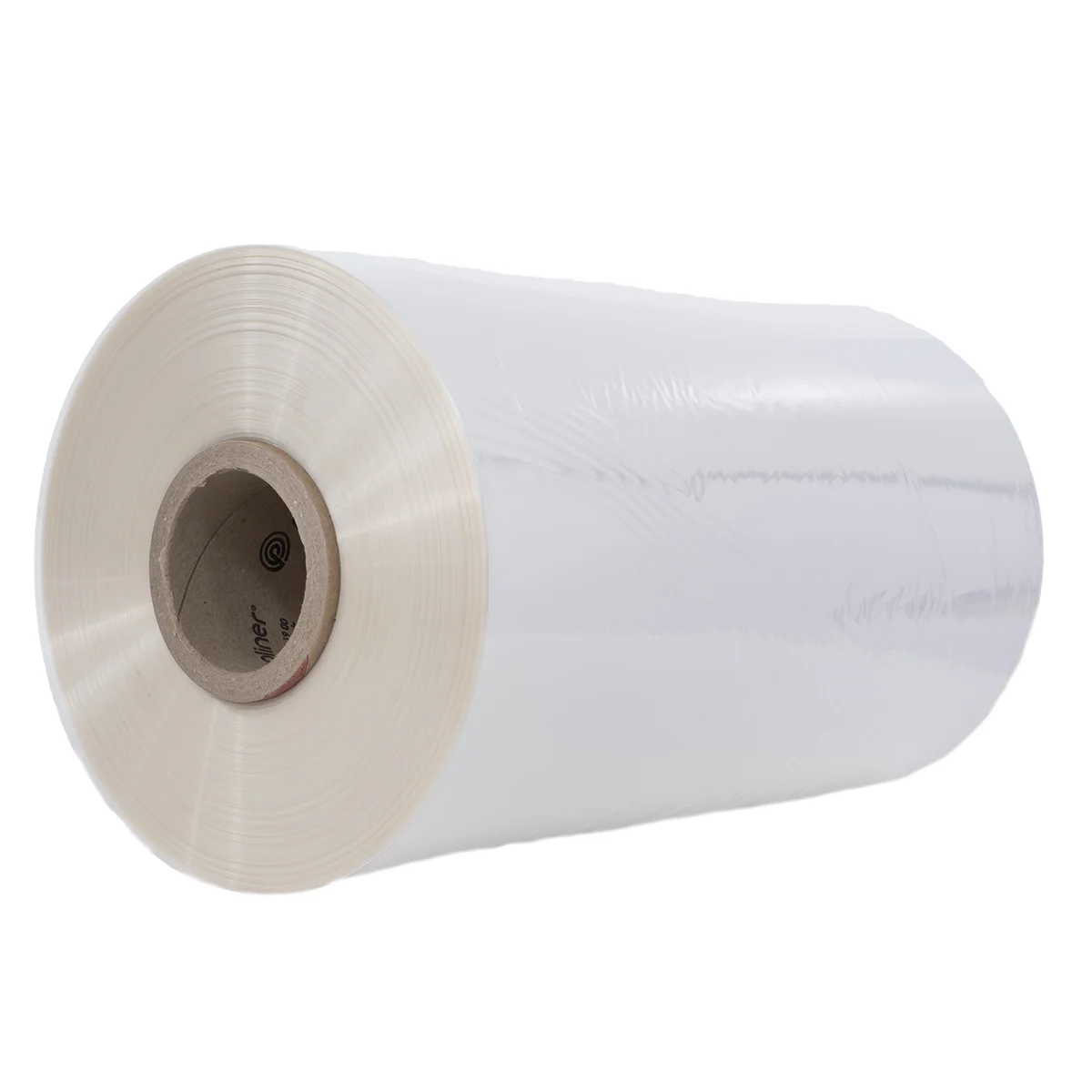
Polyolefin (POF) Shrink Film is a next-generation, high-strength, heat-shrinkable packaging film manufactured by combining polyethylene (PE) and polypropylene (PP) based polymers using five-layer co-extrusion technology.
Superior Optical Gloss and Transparency. High light transmission and low haze levels clearly highlight every detail of the packaged product, enhancing its visual appeal and shelf presence.
High Tear and Puncture Resistance. Its multilayer co-extrusion structure minimizes the risk of tearing and seal failure, even when packaging products with sharp edges or irregular shapes. It maintains its flexibility and resistance to cracking in deep-freeze and cold-chain logistics applications.
Suitability for Food Contact. Its formulation, free from chlorine, phthalates and harmful plasticizers, complies with FDA and European Union regulations, making it suitable for direct food contact.
Low Density and Cost Efficiency. Compared to conventional PVC films, POF provides excellent protection even at significantly lower thicknesses, reducing packaging costs. Its low density and thin structure deliver high efficiency with reduced material consumption.
Environmentally Friendly and Recyclable. It does not release harmful gases or unpleasant odors during cutting and sealing operations. Its 100% recyclable structure supports sustainable manufacturing objectives.
Wide Compatibility with Packaging Machinery. Compatible with a wide range of packaging systems, from manual L-sealers to high-speed, fully automated packaging lines. Its excellent sealing and shrink performance at low temperatures helps reduce energy consumption while protecting heat-sensitive products.
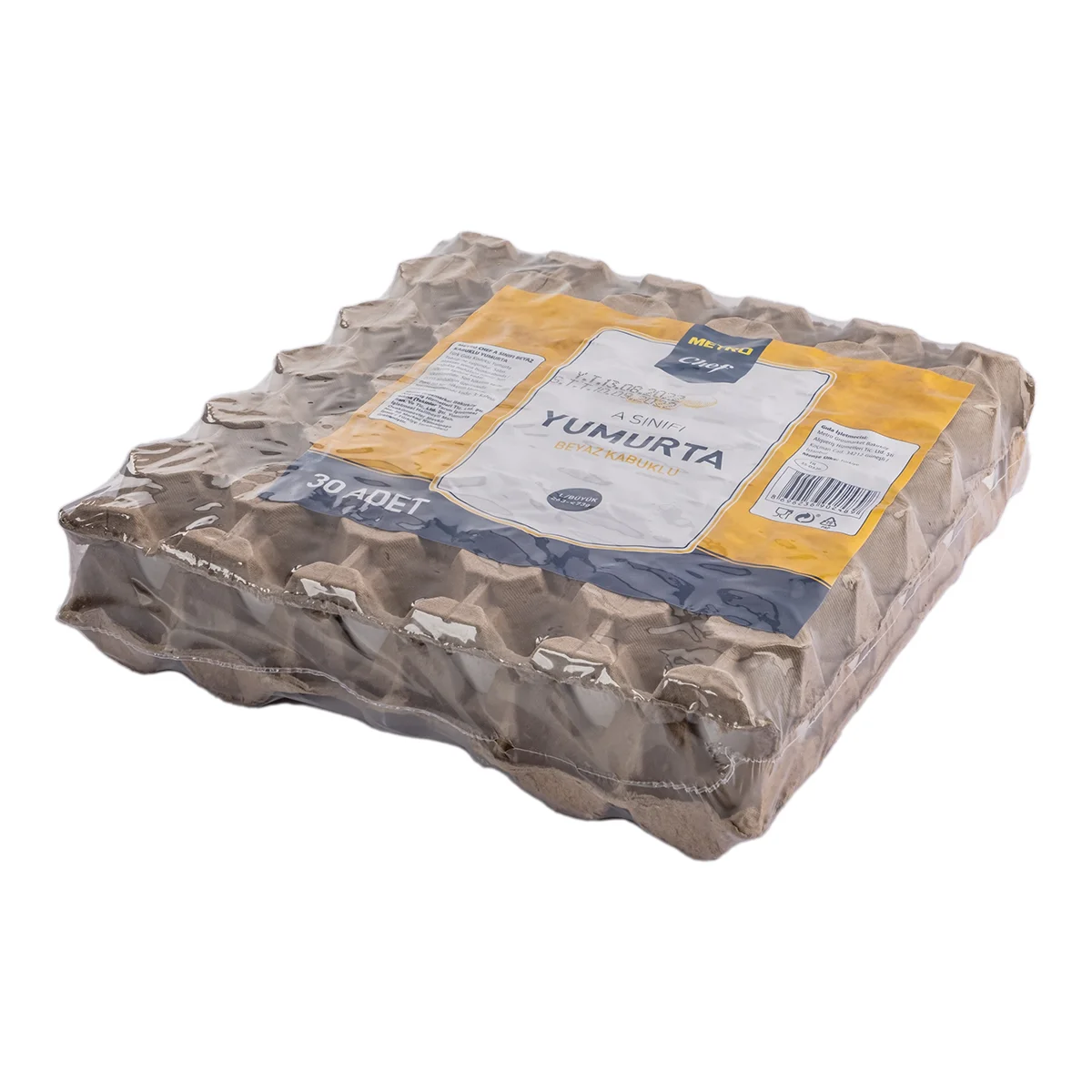
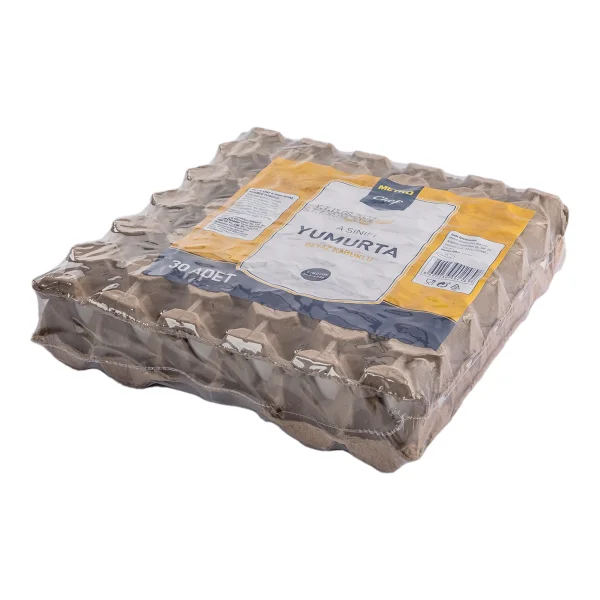
High Air and Moisture Permeability. Hot perforation technology enables continuous air circulation and moisture vapor release by reducing the film's moisture barrier properties. Specifically developed for egg and fresh food packaging, this product range helps prevent condensation and mold formation, preserving product quality.
Heat-shrink packaging technology became commercially widespread in the 1960s with the introduction of PVC (Polyvinyl Chloride) films. However, the chlorine and plasticizer content of PVC films, the release of harmful hydrogen chloride gas and carbon residues during thermal cutting and sealing processes, and their tendency to become brittle at low temperatures created significant limitations. Concerns regarding direct food contact suitability and recycling challenges encouraged the packaging industry to seek alternative materials.
Development and Adoption of POF (Late 1980s). As environmental regulations became more stringent and food safety standards continued to evolve, POF was developed in the late 1980s as a safer and more environmentally friendly alternative to PVC.
Technological Breakthrough (Double-Bubble & Co-Extrusion). Double-bubble technology enabled balanced film orientation in both the transverse direction (TD) and machine direction (MD). From the 2000s onward, advancements in multilayer co-extrusion technology made it possible to achieve high mechanical strength at significantly lower film thicknesses, establishing POF as a standard solution in the global packaging market.
The Import Era (1990s–2019). For many years, demand for POF shrink films in the Turkish packaging market was met through imports from Europe and the Far East. The increasing adoption of high-speed automated packaging lines in domestic manufacturing, combined with the need for exporting companies to comply with EU food safety and environmental standards, accelerated the transition from PVC to POF.
Transition to Domestic Production (2020s). Domestic POF production began in Türkiye in 2019 and the following years. With increasing investments in local production capacity, Türkiye has evolved into a manufacturing hub that reduces dependence on imports while supplying international markets.
Start of Production. Poliner Plastik brought more than 30 years of industrial packaging manufacturing experience to polyolefin technology. The company officially began manufacturing POF shrink films in 2021.
Industry Position. As one of the few domestic manufacturers in Türkiye capable of producing advanced multilayer POF shrink films, Poliner offers fast delivery, customized film dimensions and flexible formulations, leveraging the advantages of local manufacturing.


 EN